
Clinic Services
Botox, Fillers, and Mesotherapy
The product and injection area are selected after reviewing your anatomy, medical history, and goals; side effects and aftercare are explained before the procedure.
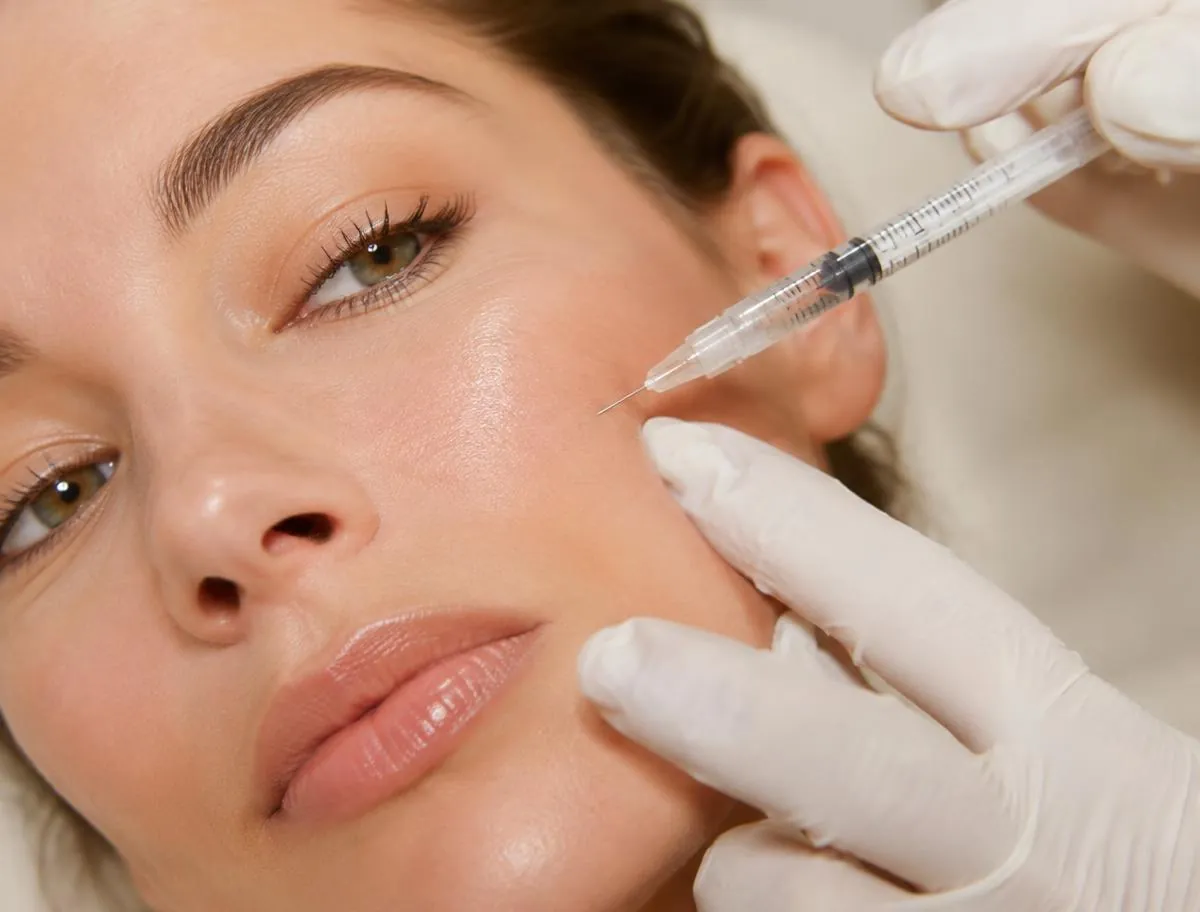
Botox injections
Targeted reduction of muscle activity or sweating, taking each person's natural function and anatomy into account.
Botox injections
+
Botox injections
- Treatment method and purpose
- Botulinum toxin reduces muscle activity by temporarily reducing nerve signal transmission to the muscle. It is used for movement-related wrinkles and some therapeutic applications; Botox does not add volume or eliminate all static wrinkles.
- Suitable candidates and limitations
- Dynamic wrinkles or an established therapeutic indication following examination; the doctor determines the product, injection sites, and dose.
- Sessions, time to results, and longevity
- Effects usually begin within a few days and are assessed about two weeks later; they often last about 3 to 4 months, depending on the area, product, and individual response.
- Possible complications and safety considerations
- Selecting a licensed product and verifying authenticity are important; units of different products are not directly interchangeable. Bruising, pain, headache, asymmetry, and unwanted muscle weakness may occur. Eyelid or brow drooping and, rarely, difficulty swallowing or breathing are important complications; neuromuscular disease, medications affecting nerve transmission, and pregnancy must be assessed.
- Preparation before your visit
- At the examination, disclose your medical history, allergies, pregnancy or breastfeeding, cold sores, medications, and recent procedures. Prescription medications, especially blood thinners, must not be stopped without medical advice. Active infection or inflammation in the area must be assessed before the procedure.
- Post-treatment care and follow-up
- Do not press or massage the area unless instructed by your doctor; ask your doctor when you can apply makeup, exercise, and be exposed to heat. Severe or increasing pain, unusual skin discoloration, or problems with vision, swallowing, or breathing require immediate assessment.
Facial Botox
+
Facial Botox
- Treatment method and purpose
- The facial injection plan is designed according to muscle movement, brow shape, and facial lines. The aim is to reduce dynamic lines while preserving natural function; a single fixed injection pattern is not appropriate for everyone.
- Suitable candidates and limitations
- Dynamic facial lines; severe laxity and volume deficiency require another method.
- Sessions, time to results, and longevity
- Effects usually begin within a few days and are assessed about two weeks later; they often last about 3 to 4 months, depending on the area, product, and individual response.
- Possible complications and safety considerations
- Injections in the lower face may affect smiling, speech, or lip control. Bruising, pain, headache, asymmetry, and unwanted muscle weakness may occur. Eyelid or brow drooping and, rarely, difficulty swallowing or breathing are important complications; neuromuscular disease, medications affecting nerve transmission, and pregnancy must be assessed.
- Preparation before your visit
- At the examination, disclose your medical history, allergies, pregnancy or breastfeeding, cold sores, medications, and recent procedures. Prescription medications, especially blood thinners, must not be stopped without medical advice. Active infection or inflammation in the area must be assessed before the procedure.
- Post-treatment care and follow-up
- Do not press or massage the area unless instructed by your doctor; ask your doctor when you can apply makeup, exercise, and be exposed to heat. Severe or increasing pain, unusual skin discoloration, or problems with vision, swallowing, or breathing require immediate assessment.
Jaw Botox
+
Jaw Botox
- Treatment method and purpose
- Injection into the chewing muscle can reduce muscular width in the lower face in people with enlarged masseter muscles. Width caused by bone or fat is not corrected by this method; jaw problems and teeth grinding must be assessed during examination.
- Suitable candidates and limitations
- Confirmed masseter enlargement; jaw joint problems or dental causes of pain require the relevant assessment.
- Sessions, time to results, and longevity
- Reduced muscle activity is seen before a change in shape; reshaping usually occurs over several weeks and requires repeat treatment after assessment.
- Possible complications and safety considerations
- Chewing weakness, smile asymmetry, and more apparent lower-face laxity may develop. Bruising, pain, headache, asymmetry, and unwanted muscle weakness may occur. Eyelid or brow drooping and, rarely, difficulty swallowing or breathing are important complications; neuromuscular disease, medications affecting nerve transmission, and pregnancy must be assessed.
- Preparation before your visit
- At the examination, disclose your medical history, allergies, pregnancy or breastfeeding, cold sores, medications, and recent procedures. Prescription medications, especially blood thinners, must not be stopped without medical advice. Active infection or inflammation in the area must be assessed before the procedure.
- Post-treatment care and follow-up
- Do not press or massage the area unless instructed by your doctor; ask your doctor when you can apply makeup, exercise, and be exposed to heat. Severe or increasing pain, unusual skin discoloration, or problems with vision, swallowing, or breathing require immediate assessment.
Chin Botox
+
Chin Botox
- Treatment method and purpose
- Reducing excessive mentalis muscle activity can soften an orange-peel appearance or puckering of the chin. This procedure does not correct bone shape or chin volume deficiency.
- Suitable candidates and limitations
- A chin with contraction or dynamic dimpling; pre-existing lip weakness or surgery in the area must be assessed.
- Sessions, time to results, and longevity
- Effects usually begin within a few days and are assessed about two weeks later; they often last about 3 to 4 months, depending on the area, product, and individual response.
- Possible complications and safety considerations
- Difficulty closing the lips, an altered smile, lower-lip weakness, and asymmetry are specific risks. Bruising, pain, headache, asymmetry, and unwanted muscle weakness may occur. Eyelid or brow drooping and, rarely, difficulty swallowing or breathing are important complications; neuromuscular disease, medications affecting nerve transmission, and pregnancy must be assessed.
- Preparation before your visit
- At the examination, disclose your medical history, allergies, pregnancy or breastfeeding, cold sores, medications, and recent procedures. Prescription medications, especially blood thinners, must not be stopped without medical advice. Active infection or inflammation in the area must be assessed before the procedure.
- Post-treatment care and follow-up
- Do not press or massage the area unless instructed by your doctor; ask your doctor when you can apply makeup, exercise, and be exposed to heat. Severe or increasing pain, unusual skin discoloration, or problems with vision, swallowing, or breathing require immediate assessment.
Underarm Botox
+
Underarm Botox
- Treatment method and purpose
- Superficial botulinum injections reduce sweat gland activity by blocking nerve signals. It is used for excessive underarm sweating and does not treat the cause of generalized body sweating.
- Suitable candidates and limitations
- Bothersome localized sweating after assessment; sudden-onset sweating, night sweats, or systemic symptoms require investigation of the underlying cause.
- Sessions, time to results, and longevity
- Reduced sweating appears within days to about two weeks and often lasts several months, around 4 to 6 months in many people; individual responses vary.
- Possible complications and safety considerations
- Pinpoint pain and bruising and local irritation may occur. Bruising, pain, headache, asymmetry, and unwanted muscle weakness may occur. Eyelid or brow drooping and, rarely, difficulty swallowing or breathing are important complications; neuromuscular disease, medications affecting nerve transmission, and pregnancy must be assessed.
- Preparation before your visit
- At the examination, disclose your medical history, allergies, pregnancy or breastfeeding, cold sores, medications, and recent procedures. Prescription medications, especially blood thinners, must not be stopped without medical advice. Active infection or inflammation in the area must be assessed before the procedure.
- Post-treatment care and follow-up
- Do not press or massage the area unless instructed by your doctor; ask your doctor when you can apply makeup, exercise, and be exposed to heat. Severe or increasing pain, unusual skin discoloration, or problems with vision, swallowing, or breathing require immediate assessment.
Botox around the eyes
+
Botox around the eyes
- Treatment method and purpose
- Reducing activity in a selected portion of the orbicularis oculi muscle softens crow's feet when smiling. This injection does not treat under-eye dark circles, fat bags, or significant eyelid laxity.
- Suitable candidates and limitations
- Dynamic lines beside the eyes; dry eyes, eye disease, or a history of eyelid surgery require special assessment.
- Sessions, time to results, and longevity
- Effects usually begin within a few days and are assessed about two weeks later; they often last about 3 to 4 months, depending on the area, product, and individual response.
- Possible complications and safety considerations
- Dry eyes, impaired eyelid closure, drooping, and, rarely, double vision may occur. Bruising, pain, headache, asymmetry, and unwanted muscle weakness may occur. Eyelid or brow drooping and, rarely, difficulty swallowing or breathing are important complications; neuromuscular disease, medications affecting nerve transmission, and pregnancy must be assessed.
- Preparation before your visit
- At the examination, disclose your medical history, allergies, pregnancy or breastfeeding, cold sores, medications, and recent procedures. Prescription medications, especially blood thinners, must not be stopped without medical advice. Active infection or inflammation in the area must be assessed before the procedure.
- Post-treatment care and follow-up
- Do not press or massage the area unless instructed by your doctor; ask your doctor when you can apply makeup, exercise, and be exposed to heat. Severe or increasing pain, unusual skin discoloration, or problems with vision, swallowing, or breathing require immediate assessment.
Forehead Botox
+
Forehead Botox
- Treatment method and purpose
- Controlled reduction of forehead muscle activity reduces horizontal lines caused by raising the eyebrows. Because this muscle holds the brows up, maintaining balance with the muscles that pull the brows down is essential.
- Suitable candidates and limitations
- Dynamic forehead lines; extra caution is needed for people who rely on the forehead muscle to keep their eyes open.
- Sessions, time to results, and longevity
- Effects usually begin within a few days and are assessed about two weeks later; they often last about 3 to 4 months, depending on the area, product, and individual response.
- Possible complications and safety considerations
- Brow heaviness or lowering and unmasking of eyelid drooping are specific risks. Bruising, pain, headache, asymmetry, and unwanted muscle weakness may occur. Eyelid or brow drooping and, rarely, difficulty swallowing or breathing are important complications; neuromuscular disease, medications affecting nerve transmission, and pregnancy must be assessed.
- Preparation before your visit
- At the examination, disclose your medical history, allergies, pregnancy or breastfeeding, cold sores, medications, and recent procedures. Prescription medications, especially blood thinners, must not be stopped without medical advice. Active infection or inflammation in the area must be assessed before the procedure.
- Post-treatment care and follow-up
- Do not press or massage the area unless instructed by your doctor; ask your doctor when you can apply makeup, exercise, and be exposed to heat. Severe or increasing pain, unusual skin discoloration, or problems with vision, swallowing, or breathing require immediate assessment.
Smile Botox
+
Smile Botox
- Treatment method and purpose
- In selected cases of gummy smile, reducing activity in the lip-elevating muscles can reduce gum exposure. A short lip, jaw growth, or dental problems may require another treatment; the goal is established after examination.
- Suitable candidates and limitations
- Gummy smile of muscular origin; structural jaw and gum problems must be distinguished from muscular causes.
- Sessions, time to results, and longevity
- Effects usually begin within a few days and are assessed about two weeks later; they often last about 3 to 4 months, depending on the area, product, and individual response.
- Possible complications and safety considerations
- Smile asymmetry, excessive upper-lip drooping, and difficulty drinking or pronouncing certain words may occur. Bruising, pain, headache, asymmetry, and unwanted muscle weakness may occur. Eyelid or brow drooping and, rarely, difficulty swallowing or breathing are important complications; neuromuscular disease, medications affecting nerve transmission, and pregnancy must be assessed.
- Preparation before your visit
- At the examination, disclose your medical history, allergies, pregnancy or breastfeeding, cold sores, medications, and recent procedures. Prescription medications, especially blood thinners, must not be stopped without medical advice. Active infection or inflammation in the area must be assessed before the procedure.
- Post-treatment care and follow-up
- Do not press or massage the area unless instructed by your doctor; ask your doctor when you can apply makeup, exercise, and be exposed to heat. Severe or increasing pain, unusual skin discoloration, or problems with vision, swallowing, or breathing require immediate assessment.
Filler injections
Adding volume and balancing soft tissue with careful assessment of the area and vascular risks.
Filler injections
+
Filler injections
- Treatment method and purpose
- Fillers are used to replace lost volume, correct some depressions, and shape soft tissue. The material type, authenticity, suitable location, and volume are selected after assessing anatomy and patient expectations; listing fillers does not imply use of a particular undisclosed brand.
- Suitable candidates and limitations
- Selected cases of volume loss or disproportion; active infection, previously injected materials, and underlying conditions must be assessed.
- Sessions, time to results, and longevity
- Initial results are visible after injection, but final assessment is made after swelling subsides. Longevity is often several months to over a year and depends on the material, location, and individual; permanence is not guaranteed.
- Possible complications and safety considerations
- A history of previous injections is essential to prevent interactions between materials and identify complications. Swelling, bruising, asymmetry, lumps, infection, and delayed reactions may occur. Vascular occlusion can lead to skin necrosis, impaired vision or blindness, and, rarely, stroke. Whether a filler can be dissolved depends on its material; not all fillers are dissolvable.
- Preparation before your visit
- At the examination, disclose your medical history, allergies, pregnancy or breastfeeding, cold sores, medications, and recent procedures. Prescription medications, especially blood thinners, must not be stopped without medical advice. Active infection or inflammation in the area must be assessed before the procedure.
- Post-treatment care and follow-up
- Do not press or massage the area unless instructed by your doctor; ask your doctor when you can apply makeup, exercise, and be exposed to heat. Severe or increasing pain, unusual skin discoloration, or problems with vision, swallowing, or breathing require immediate assessment.
Lip filler injections
+
Lip filler injections
- Treatment method and purpose
- Performed for limited correction of lip volume, border, and symmetry. The appropriate plan is determined by the proportions of the lips, teeth, and other facial features; excessive volume can disrupt natural lip movement and proportions.
- Suitable candidates and limitations
- Lip volume deficiency or asymmetry; a history of cold sores must be disclosed before the procedure.
- Sessions, time to results, and longevity
- Initial swelling may last several days; final assessment is usually after about two weeks, and longevity depends on the material and individual.
- Possible complications and safety considerations
- Noticeable swelling, cold sores, lumps, and migration of material may occur. Swelling, bruising, asymmetry, lumps, infection, and delayed reactions may occur. Vascular occlusion can lead to skin necrosis, impaired vision or blindness, and, rarely, stroke. Whether a filler can be dissolved depends on its material; not all fillers are dissolvable.
- Preparation before your visit
- At the examination, disclose your medical history, allergies, pregnancy or breastfeeding, cold sores, medications, and recent procedures. Prescription medications, especially blood thinners, must not be stopped without medical advice. Active infection or inflammation in the area must be assessed before the procedure.
- Post-treatment care and follow-up
- Do not press or massage the area unless instructed by your doctor; ask your doctor when you can apply makeup, exercise, and be exposed to heat. Severe or increasing pain, unusual skin discoloration, or problems with vision, swallowing, or breathing require immediate assessment.
Temple filler
+
Temple filler
- Treatment method and purpose
- Restoring temple hollowing can improve continuity between the lateral forehead and face. This area has complex vessels and tissue layers, and selecting injection depth and technique requires careful medical assessment.
- Suitable candidates and limitations
- Confirmed temple volume loss; the cause of hollowing and tissue condition must be assessed.
- Sessions, time to results, and longevity
- Initial results are visible after injection, but final assessment is made after swelling subsides. Longevity is often several months to over a year and depends on the material, location, and individual; permanence is not guaranteed.
- Possible complications and safety considerations
- The temple is a high-risk vascular area; vision damage or vascular occlusion cannot be completely eliminated even with risk-reduction techniques. Swelling, bruising, asymmetry, lumps, infection, and delayed reactions may occur. Vascular occlusion can lead to skin necrosis, impaired vision or blindness, and, rarely, stroke. Whether a filler can be dissolved depends on its material; not all fillers are dissolvable.
- Preparation before your visit
- At the examination, disclose your medical history, allergies, pregnancy or breastfeeding, cold sores, medications, and recent procedures. Prescription medications, especially blood thinners, must not be stopped without medical advice. Active infection or inflammation in the area must be assessed before the procedure.
- Post-treatment care and follow-up
- Do not press or massage the area unless instructed by your doctor; ask your doctor when you can apply makeup, exercise, and be exposed to heat. Severe or increasing pain, unusual skin discoloration, or problems with vision, swallowing, or breathing require immediate assessment.
Under-eye filler
+
Under-eye filler
- Treatment method and purpose
- Limited filling of the tear trough in selected individuals can reduce shadows caused by hollowing. This method does not treat all dark circles, puffiness, fat bags, or under-eye skin laxity.
- Suitable candidates and limitations
- True hollowing without significant puffiness or impaired lymphatic drainage; many people are not suitable candidates for injections in this area.
- Sessions, time to results, and longevity
- Initial results are visible after injection, but final assessment is made after swelling subsides. Longevity is often several months to over a year and depends on the material, location, and individual; permanence is not guaranteed.
- Possible complications and safety considerations
- Persistent swelling, a superficial blue tint, lumps, and asymmetry; proximity to the eye makes the risk of vision damage particularly important. Swelling, bruising, asymmetry, lumps, infection, and delayed reactions may occur. Vascular occlusion can lead to skin necrosis, impaired vision or blindness, and, rarely, stroke. Whether a filler can be dissolved depends on its material; not all fillers are dissolvable.
- Preparation before your visit
- At the examination, disclose your medical history, allergies, pregnancy or breastfeeding, cold sores, medications, and recent procedures. Prescription medications, especially blood thinners, must not be stopped without medical advice. Active infection or inflammation in the area must be assessed before the procedure.
- Post-treatment care and follow-up
- Do not press or massage the area unless instructed by your doctor; ask your doctor when you can apply makeup, exercise, and be exposed to heat. Severe or increasing pain, unusual skin discoloration, or problems with vision, swallowing, or breathing require immediate assessment.
Cheek filler
+
Cheek filler
- Treatment method and purpose
- Targeted cheek volumization is performed to replace volume loss or correct midface proportions. The injection site must suit bone structure and facial movement; results are not a substitute for a surgical lift.
- Suitable candidates and limitations
- Cheek volume deficiency or limited disproportion; the appropriate volume is determined during examination.
- Sessions, time to results, and longevity
- Initial results are visible after injection, but final assessment is made after swelling subsides. Longevity is often several months to over a year and depends on the material, location, and individual; permanence is not guaranteed.
- Possible complications and safety considerations
- Overfilling, disproportionate prominence, swelling, and vascular complications may occur. Swelling, bruising, asymmetry, lumps, infection, and delayed reactions may occur. Vascular occlusion can lead to skin necrosis, impaired vision or blindness, and, rarely, stroke. Whether a filler can be dissolved depends on its material; not all fillers are dissolvable.
- Preparation before your visit
- At the examination, disclose your medical history, allergies, pregnancy or breastfeeding, cold sores, medications, and recent procedures. Prescription medications, especially blood thinners, must not be stopped without medical advice. Active infection or inflammation in the area must be assessed before the procedure.
- Post-treatment care and follow-up
- Do not press or massage the area unless instructed by your doctor; ask your doctor when you can apply makeup, exercise, and be exposed to heat. Severe or increasing pain, unusual skin discoloration, or problems with vision, swallowing, or breathing require immediate assessment.
Jaw angle filler
+
Jaw angle filler
- Treatment method and purpose
- A limited increase in volume along the jawline or jaw angle can better define the lower facial border. Skin sagging, fat under the chin, and muscular jaw width must be distinguished from insufficient bony definition.
- Suitable candidates and limitations
- Poor jawline definition or selected asymmetry; severe laxity may not improve with fillers.
- Sessions, time to results, and longevity
- Initial results are visible after injection, but final assessment is made after swelling subsides. Longevity is often several months to over a year and depends on the material, location, and individual; permanence is not guaranteed.
- Possible complications and safety considerations
- Unwanted widening of the face, unevenness, lumps, and vascular injury are possible. Swelling, bruising, asymmetry, lumps, infection, and delayed reactions may occur. Vascular occlusion can lead to skin necrosis, impaired vision or blindness, and, rarely, stroke. Whether a filler can be dissolved depends on its material; not all fillers are dissolvable.
- Preparation before your visit
- At the examination, disclose your medical history, allergies, pregnancy or breastfeeding, cold sores, medications, and recent procedures. Prescription medications, especially blood thinners, must not be stopped without medical advice. Active infection or inflammation in the area must be assessed before the procedure.
- Post-treatment care and follow-up
- Do not press or massage the area unless instructed by your doctor; ask your doctor when you can apply makeup, exercise, and be exposed to heat. Severe or increasing pain, unusual skin discoloration, or problems with vision, swallowing, or breathing require immediate assessment.
Chin filler
+
Chin filler
- Treatment method and purpose
- Used for limited correction of chin projection, length, or symmetry by adding soft-tissue volume. Significant jaw abnormalities or problems with dental alignment require separate assessment.
- Suitable candidates and limitations
- An under-volumized chin or limited disproportion; this method does not treat bone structure or bite problems.
- Sessions, time to results, and longevity
- Initial results are visible after injection, but final assessment is made after swelling subsides. Longevity is often several months to over a year and depends on the material, location, and individual; permanence is not guaranteed.
- Possible complications and safety considerations
- Asymmetry, lumps, tissue pressure, and vascular occlusion may occur. Swelling, bruising, asymmetry, lumps, infection, and delayed reactions may occur. Vascular occlusion can lead to skin necrosis, impaired vision or blindness, and, rarely, stroke. Whether a filler can be dissolved depends on its material; not all fillers are dissolvable.
- Preparation before your visit
- At the examination, disclose your medical history, allergies, pregnancy or breastfeeding, cold sores, medications, and recent procedures. Prescription medications, especially blood thinners, must not be stopped without medical advice. Active infection or inflammation in the area must be assessed before the procedure.
- Post-treatment care and follow-up
- Do not press or massage the area unless instructed by your doctor; ask your doctor when you can apply makeup, exercise, and be exposed to heat. Severe or increasing pain, unusual skin discoloration, or problems with vision, swallowing, or breathing require immediate assessment.
Mesotherapy injections
Selecting the product and application based on evidence, the cause of the problem, and individual circumstances.
Mesotherapy
+
Mesotherapy
- Treatment method and purpose
- Mesotherapy involves injecting small amounts of a selected product into the skin. The product's composition, authorization, and purpose matter; evidence is not the same for every formulation and application, and the term mesotherapy alone does not guarantee a specific effect.
- Suitable candidates and limitations
- Selected skin-quality concerns after assessment; allergies to ingredients, infection, and pregnancy must be assessed.
- Sessions, time to results, and longevity
- Often a course of several sessions with response assessment; spacing and number depend on the product and goal, and the effect may be limited or temporary.
- Possible complications and safety considerations
- Pain, bruising, temporary bumps, allergic reactions, infection, granulomas, and scarring may occur.
- Preparation before your visit
- At the examination, disclose your medical history, allergies, pregnancy or breastfeeding, cold sores, medications, and recent procedures. Prescription medications, especially blood thinners, must not be stopped without medical advice. Active infection or inflammation in the area must be assessed before the procedure.
- Post-treatment care and follow-up
- Do not press or massage the area unless instructed by your doctor; ask your doctor when you can apply makeup, exercise, and be exposed to heat. Severe or increasing pain, unusual skin discoloration, or problems with vision, swallowing, or breathing require immediate assessment.
Hair mesotherapy
+
Hair mesotherapy
- Treatment method and purpose
- Injection of a selected product into the scalp may be considered as an adjunct in some hair-loss treatment plans. The cause of hair loss, such as hereditary pattern loss, inflammation, deficiencies, or other disorders, is assessed first; evidence of effectiveness depends on the formulation and type of hair loss.
- Suitable candidates and limitations
- Some types of hair loss after diagnosis; scarring, sudden, or inflammatory hair loss should not be managed solely through cosmetic procedures.
- Sessions, time to results, and longevity
- If this method is selected, a course of several sessions and assessment using standardized photographs are undertaken; hair growth takes time, and results are not guaranteed.
- Possible complications and safety considerations
- Pain, allergic reactions, infection, inflammation, and, rarely, localized hair loss or scarring; this method is not a substitute for treatment of the underlying cause.
- Preparation before your visit
- At the examination, disclose your medical history, allergies, pregnancy or breastfeeding, cold sores, medications, and recent procedures. Prescription medications, especially blood thinners, must not be stopped without medical advice. Active infection or inflammation in the area must be assessed before the procedure.
- Post-treatment care and follow-up
- Ask your doctor when to wash your hair and use scalp products; report itching, severe pain, discharge, or new hair loss.
Under-eye mesotherapy
+
Under-eye mesotherapy
- Treatment method and purpose
- Superficial injection of a selected product may be proposed for some under-eye skin-quality concerns. The cause of dark circles must be distinguished among hollowing, pigmentation, blood vessels, puffiness, and allergy; evidence across products is limited and variable.
- Suitable candidates and limitations
- Selected cases after examination; puffiness, deep hollowing, or eyelid disease may require another method.
- Sessions, time to results, and longevity
- Usually a course of several sessions if appropriate; the degree and duration of improvement cannot be guaranteed.
- Possible complications and safety considerations
- Prolonged swelling, bruising, allergic reactions, lumps, infection, and injury to delicate structures around the eyes may occur.
- Preparation before your visit
- At the examination, disclose your medical history, allergies, pregnancy or breastfeeding, cold sores, medications, and recent procedures. Prescription medications, especially blood thinners, must not be stopped without medical advice. Active infection or inflammation in the area must be assessed before the procedure.
- Post-treatment care and follow-up
- Do not press or massage the area unless instructed by your doctor; ask your doctor when you can apply makeup, exercise, and be exposed to heat. Severe or increasing pain, unusual skin discoloration, or problems with vision, swallowing, or breathing require immediate assessment.