
Dr. Shiva Kasebi
Clinic Services
Choosing a treatment begins with an examination; the method, number of sessions, and likely outcome depend on each person's skin condition and needs.
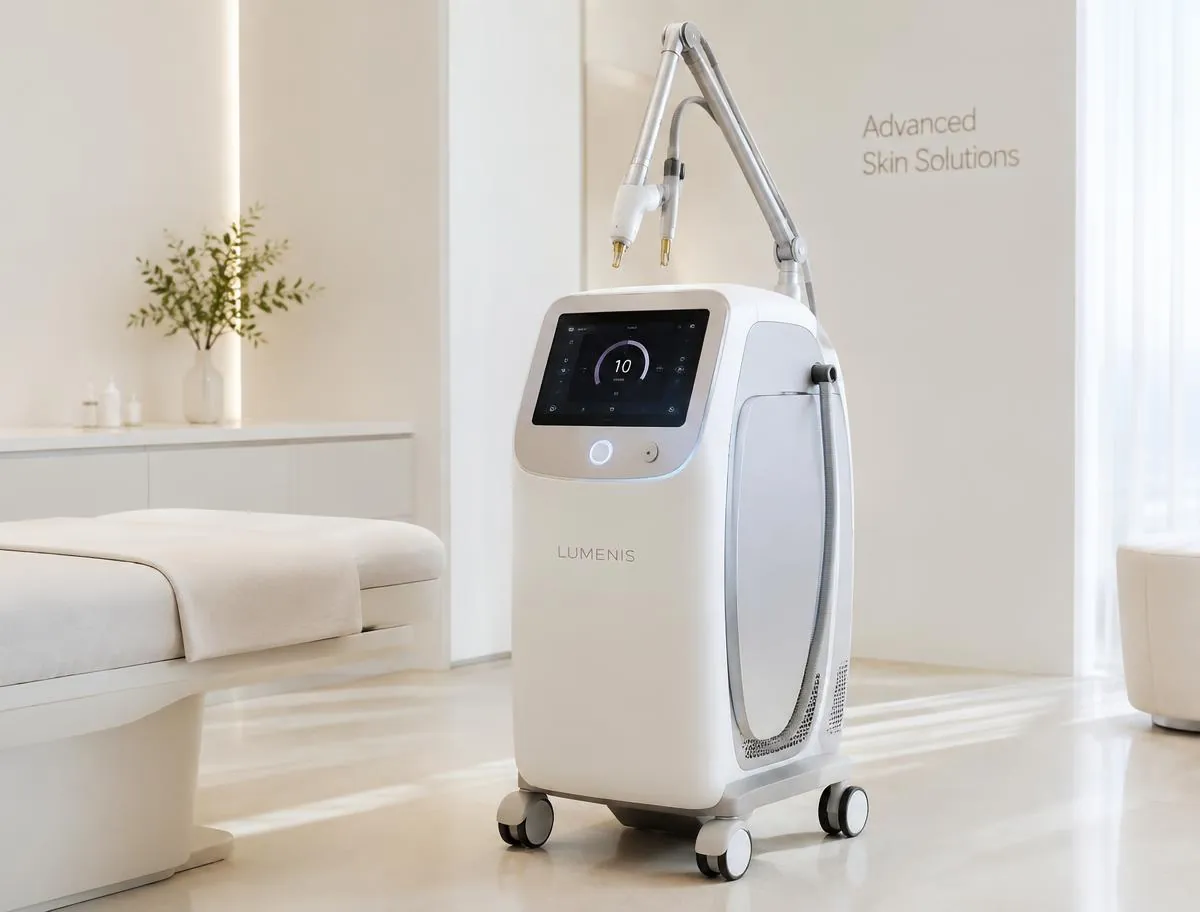
This information is intended to introduce the treatment and does not replace a doctor's diagnosis and decision. The name of the lifting method and the specifications of the Helios and R2PL devices are explained during the consultation before the procedure. Appointments for combined services, lifting, and surgery are initially for assessment; the final procedure is performed after the method has been determined and informed consent obtained.
Facial aesthetics and contouring services
Shape, sagging, skin color, and texture each require assessment and an appropriate method.
Facial contouring
+
Facial contouring
- Treatment method and purpose
- Contouring involves assessing and balancing facial proportions, such as the cheeks, jaw, and chin; it is not a single procedure. Based on your bone structure, soft tissue, and goals, the doctor selects a shaping plan; injectable or non-injectable services from this list may be used.
- Suitable candidates and limitations
- People with disproportion or limited volume loss; perfect symmetry and changes to bone structure without surgery cannot be guaranteed.
- Sessions, time to results, and longevity
- The number of sessions and longevity depend on the selected method; an assessment appointment is booked first, and the procedure is determined after examination.
- Possible complications and safety considerations
- Risks depend on the selected procedure; fillers involve vascular occlusion and vision damage, while energy-based methods involve burns and discoloration.
- Preparation before your visit
- At the examination, disclose your medical history, allergies, pregnancy or breastfeeding, cold sores, medications, and recent procedures. Prescription medications, especially blood thinners, must not be stopped without medical advice. Active infection or inflammation in the area must be assessed before the procedure.
- Post-treatment care and follow-up
- Avoid sun exposure and tanning, use sunscreen and restorative care as advised by your doctor, and do not pick at your skin. When you can resume makeup, exercise, and active skincare products depends on the treatment method and intensity.
HIFU therapy
+
HIFU therapy
- Treatment method and purpose
- Focused ultrasound waves create controlled thermal points at a specified tissue depth to stimulate collagen remodeling. The aim is gradual improvement of mild to moderate laxity; HIFU is not a substitute for surgery for severe sagging.
- Suitable candidates and limitations
- People with mild to moderate laxity and adequate tissue volume; very thin faces, local infection, and certain implanted devices require special assessment.
- Sessions, time to results, and longevity
- Often one initial session, with assessment over approximately 2 to 3 months; additional sessions and longevity are determined according to tissue response.
- Possible complications and safety considerations
- Pain, swelling, tenderness, burns, unwanted fat loss, and, rarely, nerve injury or weakness may occur.
- Preparation before your visit
- At the examination, disclose your medical history, allergies, pregnancy or breastfeeding, cold sores, medications, and recent procedures. Prescription medications, especially blood thinners, must not be stopped without medical advice. Active infection or inflammation in the area must be assessed before the procedure.
- Post-treatment care and follow-up
- Avoid sun exposure and tanning, use sunscreen and restorative care as advised by your doctor, and do not pick at your skin. When you can resume makeup, exercise, and active skincare products depends on the treatment method and intensity.
Fractional RF
+
Fractional RF
- Treatment method and purpose
- Radiofrequency energy is applied fractionally for controlled skin heating and collagen stimulation. In the microneedling type, fine needles deliver energy to a specified depth; the clinic's device type is explained during examination.
- Suitable candidates and limitations
- Uneven texture, some acne scars, pores, and mild laxity; active infection, a history of raised scars, and implanted electronic devices must be assessed.
- Sessions, time to results, and longevity
- Usually several sessions spaced a few weeks apart; collagen remodeling is gradual, and treatment intensity determines healing time.
- Possible complications and safety considerations
- Redness, swelling, pinpoint bleeding with the needle-based type, infection, burns, discoloration, and scarring are possible; safety depends on the device and settings.
- Preparation before your visit
- At the examination, disclose your medical history, allergies, pregnancy or breastfeeding, cold sores, medications, and recent procedures. Prescription medications, especially blood thinners, must not be stopped without medical advice. Active infection or inflammation in the area must be assessed before the procedure.
- Post-treatment care and follow-up
- Avoid sun exposure and tanning, use sunscreen and restorative care as advised by your doctor, and do not pick at your skin. When you can resume makeup, exercise, and active skincare products depends on the treatment method and intensity.
Brow lift
+
Brow lift
- Treatment method and purpose
- The aim is to correct brow position and reduce drooping in keeping with the eyes' natural appearance. The precise method is determined after assessing muscle movement and skin; a brow lift is not the same as drooping of the eyelid itself, and the service name does not imply provision of a particular surgical or thread technique.
- Suitable candidates and limitations
- Brow drooping or correctable asymmetry; eyelid drooping, dry eyes, and a history of surgery around the eyes require specific assessment.
- Sessions, time to results, and longevity
- Time to results, recovery, and longevity depend on the selected method and are explained before the procedure.
- Possible complications and safety considerations
- Asymmetry, undercorrection or overcorrection, and, with invasive methods, infection and nerve injury; eyelid drooping may occur with Botox.
- Preparation before your visit
- At the examination, disclose your medical history, allergies, pregnancy or breastfeeding, cold sores, medications, and recent procedures. Prescription medications, especially blood thinners, must not be stopped without medical advice. Active infection or inflammation in the area must be assessed before the procedure.
- Post-treatment care and follow-up
- Avoid sun exposure and tanning, use sunscreen and restorative care as advised by your doctor, and do not pick at your skin. When you can resume makeup, exercise, and active skincare products depends on the treatment method and intensity.
Helios laser
+
Helios laser
- Treatment method and purpose
- Helios is the name of a device or family of devices; its precise application depends on the model, wavelength, pulse type, and treatment handpiece. Selection for pigmentation or improvement of skin appearance takes place only after diagnosing the problem and reviewing the device specifications.
- Suitable candidates and limitations
- People seeking treatment for lesions or concerns compatible with the device model; not all pigmented spots are suitable for laser treatment, and suspicious lesions must be assessed first.
- Sessions, time to results, and longevity
- The number and spacing of sessions are determined after skin assessment and identification of the device model; results are not guaranteed.
- Possible complications and safety considerations
- Burns, discoloration, recurrent pigmentation, blisters, and scarring may occur; eye protection appropriate to the device is essential.
- Preparation before your visit
- At the examination, disclose your medical history, allergies, pregnancy or breastfeeding, cold sores, medications, and recent procedures. Prescription medications, especially blood thinners, must not be stopped without medical advice. Active infection or inflammation in the area must be assessed before the procedure.
- Post-treatment care and follow-up
- Avoid sun exposure and tanning, use sunscreen and restorative care as advised by your doctor, and do not pick at your skin. When you can resume makeup, exercise, and active skincare products depends on the treatment method and intensity.
Face lift
+
Face lift
- Treatment method and purpose
- A face lift refers to improving sagging facial tissues and better defining facial contours. The method is selected according to laxity, tissue volume, and patient expectations; until the method is determined during examination, results associated with surgery, threads, or device-based methods should not be attributed to this title.
- Suitable candidates and limitations
- Facial laxity or sagging; severe sagging and structural changes may require a separate surgical assessment.
- Sessions, time to results, and longevity
- The method, number of sessions, healing period, and likely longevity are established at the assessment visit; aging continues.
- Possible complications and safety considerations
- Method-specific risks include asymmetry, pain, infection, discoloration or scarring, and, with some procedures, nerve injury.
- Preparation before your visit
- At the examination, disclose your medical history, allergies, pregnancy or breastfeeding, cold sores, medications, and recent procedures. Prescription medications, especially blood thinners, must not be stopped without medical advice. Active infection or inflammation in the area must be assessed before the procedure.
- Post-treatment care and follow-up
- Avoid sun exposure and tanning, use sunscreen and restorative care as advised by your doctor, and do not pick at your skin. When you can resume makeup, exercise, and active skincare products depends on the treatment method and intensity.
Fractional CO2 laser
+
Fractional CO2 laser
- Treatment method and purpose
- The carbon dioxide laser creates microscopic columns of controlled tissue destruction in the skin, leaving healthy tissue between them to stimulate healing and collagen production. It is used for some scars, fine wrinkles, and uneven texture.
- Suitable candidates and limitations
- Acne scars and sun damage following assessment; darker skin or a history of post-inflammatory pigmentation requires more cautious planning.
- Sessions, time to results, and longevity
- Often several sessions spaced according to healing; initial peeling may last about a week or longer, and redness may persist longer.
- Possible complications and safety considerations
- Pain, redness, cold sores, infection, pigmentation or skin lightening, scarring, and prolonged redness may occur; a history of cold sores and recent medications are important.
- Preparation before your visit
- At the examination, disclose your medical history, allergies, pregnancy or breastfeeding, cold sores, medications, and recent procedures. Prescription medications, especially blood thinners, must not be stopped without medical advice. Active infection or inflammation in the area must be assessed before the procedure.
- Post-treatment care and follow-up
- Avoid sun exposure and tanning, use sunscreen and restorative care as advised by your doctor, and do not pick at your skin. When you can resume makeup, exercise, and active skincare products depends on the treatment method and intensity.
Carboxytherapy
+
Carboxytherapy
- Treatment method and purpose
- In this method, carbon dioxide gas is injected into tissue in a controlled manner using appropriate equipment. It is used for some skin-quality and darkening concerns, but evidence of effectiveness varies across applications, and it should not be presented as a definitive treatment.
- Suitable candidates and limitations
- Selected cases after assessing the cause of the problem; significant heart or respiratory disease, local infection, and pregnancy require assessment and usually postponement of cosmetic procedures.
- Sessions, time to results, and longevity
- Usually a course of several sessions; the degree and duration of response vary, and assessment after the course is necessary.
- Possible complications and safety considerations
- Pain, pressure, bruising, swelling, and temporary spread of gas under the skin; infection and tissue injury may also occur.
- Preparation before your visit
- At the examination, disclose your medical history, allergies, pregnancy or breastfeeding, cold sores, medications, and recent procedures. Prescription medications, especially blood thinners, must not be stopped without medical advice. Active infection or inflammation in the area must be assessed before the procedure.
- Post-treatment care and follow-up
- Do not press or massage the area unless instructed by your doctor; ask your doctor when you can apply makeup, exercise, and be exposed to heat. Severe or increasing pain, unusual skin discoloration, or problems with vision, swallowing, or breathing require immediate assessment.
Laser treatment for pigmentation and dark spots
+
Laser treatment for pigmentation and dark spots
- Treatment method and purpose
- Light energy suited to the pigment is used to reduce some pigmented spots. The doctor first distinguishes freckles, sun spots, melasma, and post-inflammatory hyperpigmentation; not all darkening responds equally, and some worsens with laser treatment.
- Suitable candidates and limitations
- Selected benign pigmented spots; melasma and darker skin require a cautious plan and sometimes preliminary non-laser treatment.
- Sessions, time to results, and longevity
- One to several sessions depending on the cause and device; melasma and sun-related pigmentation may recur and require maintenance.
- Possible complications and safety considerations
- Blisters, burns, increased or decreased skin pigmentation, worsening melasma, scarring, and recurrence may occur.
- Preparation before your visit
- At the examination, disclose your medical history, allergies, pregnancy or breastfeeding, cold sores, medications, and recent procedures. Prescription medications, especially blood thinners, must not be stopped without medical advice. Active infection or inflammation in the area must be assessed before the procedure.
- Post-treatment care and follow-up
- Avoid sun exposure and tanning, use sunscreen and restorative care as advised by your doctor, and do not pick at your skin. When you can resume makeup, exercise, and active skincare products depends on the treatment method and intensity.
Plasma jet
+
Plasma jet
- Treatment method and purpose
- Plasma energy creates superficial thermal points on the skin and may be used for limited correction of texture or superficial laxity. This is not a laser; use around the eyes requires careful patient selection and appropriate eye protection.
- Suitable candidates and limitations
- Limited cases of superficial laxity after examination; severe sagging, skin prone to pigmentation and scarring, and eye problems may make this unsuitable.
- Sessions, time to results, and longevity
- Pinpoint crusts and swelling develop during healing; recovery time and the number of sessions depend on the extent and intensity of the procedure.
- Possible complications and safety considerations
- Burns, persistent pigmentation, scarring, infection, and eye injury may occur; results are not equivalent to eyelid surgery.
- Preparation before your visit
- At the examination, disclose your medical history, allergies, pregnancy or breastfeeding, cold sores, medications, and recent procedures. Prescription medications, especially blood thinners, must not be stopped without medical advice. Active infection or inflammation in the area must be assessed before the procedure.
- Post-treatment care and follow-up
- Avoid sun exposure and tanning, use sunscreen and restorative care as advised by your doctor, and do not pick at your skin. When you can resume makeup, exercise, and active skincare products depends on the treatment method and intensity.
Freckle treatment (R2PL)
+
Freckle treatment (R2PL)
- Treatment method and purpose
- Freckles are associated with genetic predisposition and sunlight. A light-based method suited to the pigment can fade their appearance; the specifications of the technology called R2PL must be explained before treatment, and without the exact model it should not be regarded as a specific type of laser or pulsed light.
- Suitable candidates and limitations
- Confirmed benign freckles; any asymmetric, changing, or bleeding pigmented spot requires separate assessment.
- Sessions, time to results, and longevity
- Several sessions and maintenance treatment may be needed; sun exposure can cause freckles to return.
- Possible complications and safety considerations
- Burns, blisters, darkening or loss of skin pigmentation, and scarring; eye protection and settings appropriate to skin color are essential.
- Preparation before your visit
- At the examination, disclose your medical history, allergies, pregnancy or breastfeeding, cold sores, medications, and recent procedures. Prescription medications, especially blood thinners, must not be stopped without medical advice. Active infection or inflammation in the area must be assessed before the procedure.
- Post-treatment care and follow-up
- Avoid sun exposure and tanning, use sunscreen and restorative care as advised by your doctor, and do not pick at your skin. When you can resume makeup, exercise, and active skincare products depends on the treatment method and intensity.
Laser mole removal
+
Laser mole removal
- Treatment method and purpose
- Only certain benign lesions may be selected for laser removal after examination and, if needed, dermoscopic assessment. Laser destroys tissue and may eliminate the possibility of a complete histopathological examination; a suspicious mole must not be removed with laser.
- Suitable candidates and limitations
- A selected, confirmed benign lesion; changes in size, color, or shape, ulceration, and bleeding require assessment and sometimes biopsy or surgery.
- Sessions, time to results, and longevity
- Sometimes one session, sometimes an additional procedure; remaining deeper cells can cause recurrence, and scar-free removal is not guaranteed.
- Possible complications and safety considerations
- Scarring, discoloration, infection, incomplete removal, and recurrence; delayed diagnosis of a suspicious lesion is the most important risk to prevent.
- Preparation before your visit
- At the examination, disclose your medical history, allergies, pregnancy or breastfeeding, cold sores, medications, and recent procedures. Prescription medications, especially blood thinners, must not be stopped without medical advice. Active infection or inflammation in the area must be assessed before the procedure.
- Post-treatment care and follow-up
- Clean and protect the wound as instructed by your doctor, do not pick the scab, and report changes or recurrence of the lesion for examination.
Laser tattoo removal
+
Laser tattoo removal
- Treatment method and purpose
- Appropriate laser pulses break tattoo pigment into smaller particles for gradual clearance by the body. Response depends on color, depth, ink type, location, and skin color; complete removal is not always possible.
- Suitable candidates and limitations
- Selected tattoos after assessment; light-colored, white, or certain cosmetic inks may darken, and a test spot may be considered.
- Sessions, time to results, and longevity
- Usually multiple sessions with adequate healing intervals, often about 6 to 8 weeks or longer; the exact number cannot be guaranteed.
- Possible complications and safety considerations
- Blisters, pinpoint bleeding, discoloration, scarring, ink allergy, and paradoxical darkening of some colors; specialized protection is required for tattoos near the eyes.
- Preparation before your visit
- At the examination, disclose your medical history, allergies, pregnancy or breastfeeding, cold sores, medications, and recent procedures. Prescription medications, especially blood thinners, must not be stopped without medical advice. Active infection or inflammation in the area must be assessed before the procedure.
- Post-treatment care and follow-up
- Avoid sun exposure and tanning, use sunscreen and restorative care as advised by your doctor, and do not pick at your skin. When you can resume makeup, exercise, and active skincare products depends on the treatment method and intensity.