
Dr. Shiva Kasebi
Clinic Services
Choosing a treatment begins with an examination; the method, number of sessions, and likely outcome depend on each person's skin condition and needs.
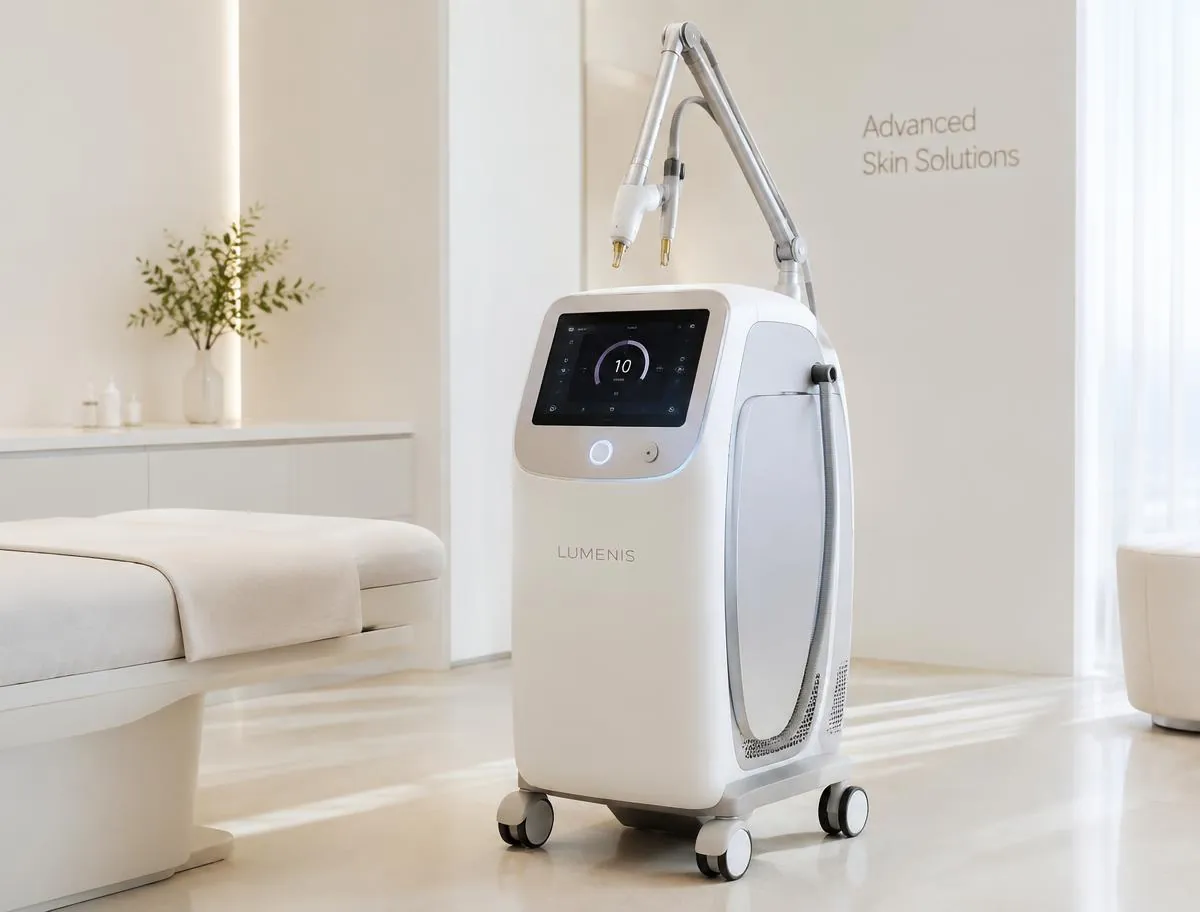
This information is intended to introduce the treatment and does not replace a doctor's diagnosis and decision. The name of the lifting method and the specifications of the Helios and R2PL devices are explained during the consultation before the procedure. Appointments for combined services, lifting, and surgery are initially for assessment; the final procedure is performed after the method has been determined and informed consent obtained.
Botox injections
Targeted reduction of muscle activity or sweating, taking each person's natural function and anatomy into account.
Botox injections
+
Botox injections
- Treatment method and purpose
- Botulinum toxin reduces muscle activity by temporarily reducing nerve signal transmission to the muscle. It is used for movement-related wrinkles and some therapeutic applications; Botox does not add volume or eliminate all static wrinkles.
- Suitable candidates and limitations
- Dynamic wrinkles or an established therapeutic indication following examination; the doctor determines the product, injection sites, and dose.
- Sessions, time to results, and longevity
- Effects usually begin within a few days and are assessed about two weeks later; they often last about 3 to 4 months, depending on the area, product, and individual response.
- Possible complications and safety considerations
- Selecting a licensed product and verifying authenticity are important; units of different products are not directly interchangeable. Bruising, pain, headache, asymmetry, and unwanted muscle weakness may occur. Eyelid or brow drooping and, rarely, difficulty swallowing or breathing are important complications; neuromuscular disease, medications affecting nerve transmission, and pregnancy must be assessed.
- Preparation before your visit
- At the examination, disclose your medical history, allergies, pregnancy or breastfeeding, cold sores, medications, and recent procedures. Prescription medications, especially blood thinners, must not be stopped without medical advice. Active infection or inflammation in the area must be assessed before the procedure.
- Post-treatment care and follow-up
- Do not press or massage the area unless instructed by your doctor; ask your doctor when you can apply makeup, exercise, and be exposed to heat. Severe or increasing pain, unusual skin discoloration, or problems with vision, swallowing, or breathing require immediate assessment.
Facial Botox
+
Facial Botox
- Treatment method and purpose
- The facial injection plan is designed according to muscle movement, brow shape, and facial lines. The aim is to reduce dynamic lines while preserving natural function; a single fixed injection pattern is not appropriate for everyone.
- Suitable candidates and limitations
- Dynamic facial lines; severe laxity and volume deficiency require another method.
- Sessions, time to results, and longevity
- Effects usually begin within a few days and are assessed about two weeks later; they often last about 3 to 4 months, depending on the area, product, and individual response.
- Possible complications and safety considerations
- Injections in the lower face may affect smiling, speech, or lip control. Bruising, pain, headache, asymmetry, and unwanted muscle weakness may occur. Eyelid or brow drooping and, rarely, difficulty swallowing or breathing are important complications; neuromuscular disease, medications affecting nerve transmission, and pregnancy must be assessed.
- Preparation before your visit
- At the examination, disclose your medical history, allergies, pregnancy or breastfeeding, cold sores, medications, and recent procedures. Prescription medications, especially blood thinners, must not be stopped without medical advice. Active infection or inflammation in the area must be assessed before the procedure.
- Post-treatment care and follow-up
- Do not press or massage the area unless instructed by your doctor; ask your doctor when you can apply makeup, exercise, and be exposed to heat. Severe or increasing pain, unusual skin discoloration, or problems with vision, swallowing, or breathing require immediate assessment.
Jaw Botox
+
Jaw Botox
- Treatment method and purpose
- Injection into the chewing muscle can reduce muscular width in the lower face in people with enlarged masseter muscles. Width caused by bone or fat is not corrected by this method; jaw problems and teeth grinding must be assessed during examination.
- Suitable candidates and limitations
- Confirmed masseter enlargement; jaw joint problems or dental causes of pain require the relevant assessment.
- Sessions, time to results, and longevity
- Reduced muscle activity is seen before a change in shape; reshaping usually occurs over several weeks and requires repeat treatment after assessment.
- Possible complications and safety considerations
- Chewing weakness, smile asymmetry, and more apparent lower-face laxity may develop. Bruising, pain, headache, asymmetry, and unwanted muscle weakness may occur. Eyelid or brow drooping and, rarely, difficulty swallowing or breathing are important complications; neuromuscular disease, medications affecting nerve transmission, and pregnancy must be assessed.
- Preparation before your visit
- At the examination, disclose your medical history, allergies, pregnancy or breastfeeding, cold sores, medications, and recent procedures. Prescription medications, especially blood thinners, must not be stopped without medical advice. Active infection or inflammation in the area must be assessed before the procedure.
- Post-treatment care and follow-up
- Do not press or massage the area unless instructed by your doctor; ask your doctor when you can apply makeup, exercise, and be exposed to heat. Severe or increasing pain, unusual skin discoloration, or problems with vision, swallowing, or breathing require immediate assessment.
Chin Botox
+
Chin Botox
- Treatment method and purpose
- Reducing excessive mentalis muscle activity can soften an orange-peel appearance or puckering of the chin. This procedure does not correct bone shape or chin volume deficiency.
- Suitable candidates and limitations
- A chin with contraction or dynamic dimpling; pre-existing lip weakness or surgery in the area must be assessed.
- Sessions, time to results, and longevity
- Effects usually begin within a few days and are assessed about two weeks later; they often last about 3 to 4 months, depending on the area, product, and individual response.
- Possible complications and safety considerations
- Difficulty closing the lips, an altered smile, lower-lip weakness, and asymmetry are specific risks. Bruising, pain, headache, asymmetry, and unwanted muscle weakness may occur. Eyelid or brow drooping and, rarely, difficulty swallowing or breathing are important complications; neuromuscular disease, medications affecting nerve transmission, and pregnancy must be assessed.
- Preparation before your visit
- At the examination, disclose your medical history, allergies, pregnancy or breastfeeding, cold sores, medications, and recent procedures. Prescription medications, especially blood thinners, must not be stopped without medical advice. Active infection or inflammation in the area must be assessed before the procedure.
- Post-treatment care and follow-up
- Do not press or massage the area unless instructed by your doctor; ask your doctor when you can apply makeup, exercise, and be exposed to heat. Severe or increasing pain, unusual skin discoloration, or problems with vision, swallowing, or breathing require immediate assessment.
Underarm Botox
+
Underarm Botox
- Treatment method and purpose
- Superficial botulinum injections reduce sweat gland activity by blocking nerve signals. It is used for excessive underarm sweating and does not treat the cause of generalized body sweating.
- Suitable candidates and limitations
- Bothersome localized sweating after assessment; sudden-onset sweating, night sweats, or systemic symptoms require investigation of the underlying cause.
- Sessions, time to results, and longevity
- Reduced sweating appears within days to about two weeks and often lasts several months, around 4 to 6 months in many people; individual responses vary.
- Possible complications and safety considerations
- Pinpoint pain and bruising and local irritation may occur. Bruising, pain, headache, asymmetry, and unwanted muscle weakness may occur. Eyelid or brow drooping and, rarely, difficulty swallowing or breathing are important complications; neuromuscular disease, medications affecting nerve transmission, and pregnancy must be assessed.
- Preparation before your visit
- At the examination, disclose your medical history, allergies, pregnancy or breastfeeding, cold sores, medications, and recent procedures. Prescription medications, especially blood thinners, must not be stopped without medical advice. Active infection or inflammation in the area must be assessed before the procedure.
- Post-treatment care and follow-up
- Do not press or massage the area unless instructed by your doctor; ask your doctor when you can apply makeup, exercise, and be exposed to heat. Severe or increasing pain, unusual skin discoloration, or problems with vision, swallowing, or breathing require immediate assessment.
Botox around the eyes
+
Botox around the eyes
- Treatment method and purpose
- Reducing activity in a selected portion of the orbicularis oculi muscle softens crow's feet when smiling. This injection does not treat under-eye dark circles, fat bags, or significant eyelid laxity.
- Suitable candidates and limitations
- Dynamic lines beside the eyes; dry eyes, eye disease, or a history of eyelid surgery require special assessment.
- Sessions, time to results, and longevity
- Effects usually begin within a few days and are assessed about two weeks later; they often last about 3 to 4 months, depending on the area, product, and individual response.
- Possible complications and safety considerations
- Dry eyes, impaired eyelid closure, drooping, and, rarely, double vision may occur. Bruising, pain, headache, asymmetry, and unwanted muscle weakness may occur. Eyelid or brow drooping and, rarely, difficulty swallowing or breathing are important complications; neuromuscular disease, medications affecting nerve transmission, and pregnancy must be assessed.
- Preparation before your visit
- At the examination, disclose your medical history, allergies, pregnancy or breastfeeding, cold sores, medications, and recent procedures. Prescription medications, especially blood thinners, must not be stopped without medical advice. Active infection or inflammation in the area must be assessed before the procedure.
- Post-treatment care and follow-up
- Do not press or massage the area unless instructed by your doctor; ask your doctor when you can apply makeup, exercise, and be exposed to heat. Severe or increasing pain, unusual skin discoloration, or problems with vision, swallowing, or breathing require immediate assessment.
Forehead Botox
+
Forehead Botox
- Treatment method and purpose
- Controlled reduction of forehead muscle activity reduces horizontal lines caused by raising the eyebrows. Because this muscle holds the brows up, maintaining balance with the muscles that pull the brows down is essential.
- Suitable candidates and limitations
- Dynamic forehead lines; extra caution is needed for people who rely on the forehead muscle to keep their eyes open.
- Sessions, time to results, and longevity
- Effects usually begin within a few days and are assessed about two weeks later; they often last about 3 to 4 months, depending on the area, product, and individual response.
- Possible complications and safety considerations
- Brow heaviness or lowering and unmasking of eyelid drooping are specific risks. Bruising, pain, headache, asymmetry, and unwanted muscle weakness may occur. Eyelid or brow drooping and, rarely, difficulty swallowing or breathing are important complications; neuromuscular disease, medications affecting nerve transmission, and pregnancy must be assessed.
- Preparation before your visit
- At the examination, disclose your medical history, allergies, pregnancy or breastfeeding, cold sores, medications, and recent procedures. Prescription medications, especially blood thinners, must not be stopped without medical advice. Active infection or inflammation in the area must be assessed before the procedure.
- Post-treatment care and follow-up
- Do not press or massage the area unless instructed by your doctor; ask your doctor when you can apply makeup, exercise, and be exposed to heat. Severe or increasing pain, unusual skin discoloration, or problems with vision, swallowing, or breathing require immediate assessment.
Smile Botox
+
Smile Botox
- Treatment method and purpose
- In selected cases of gummy smile, reducing activity in the lip-elevating muscles can reduce gum exposure. A short lip, jaw growth, or dental problems may require another treatment; the goal is established after examination.
- Suitable candidates and limitations
- Gummy smile of muscular origin; structural jaw and gum problems must be distinguished from muscular causes.
- Sessions, time to results, and longevity
- Effects usually begin within a few days and are assessed about two weeks later; they often last about 3 to 4 months, depending on the area, product, and individual response.
- Possible complications and safety considerations
- Smile asymmetry, excessive upper-lip drooping, and difficulty drinking or pronouncing certain words may occur. Bruising, pain, headache, asymmetry, and unwanted muscle weakness may occur. Eyelid or brow drooping and, rarely, difficulty swallowing or breathing are important complications; neuromuscular disease, medications affecting nerve transmission, and pregnancy must be assessed.
- Preparation before your visit
- At the examination, disclose your medical history, allergies, pregnancy or breastfeeding, cold sores, medications, and recent procedures. Prescription medications, especially blood thinners, must not be stopped without medical advice. Active infection or inflammation in the area must be assessed before the procedure.
- Post-treatment care and follow-up
- Do not press or massage the area unless instructed by your doctor; ask your doctor when you can apply makeup, exercise, and be exposed to heat. Severe or increasing pain, unusual skin discoloration, or problems with vision, swallowing, or breathing require immediate assessment.