
Dr. Shiva Kasebi
Clinic Services
Choosing a treatment begins with an examination; the method, number of sessions, and likely outcome depend on each person's skin condition and needs.
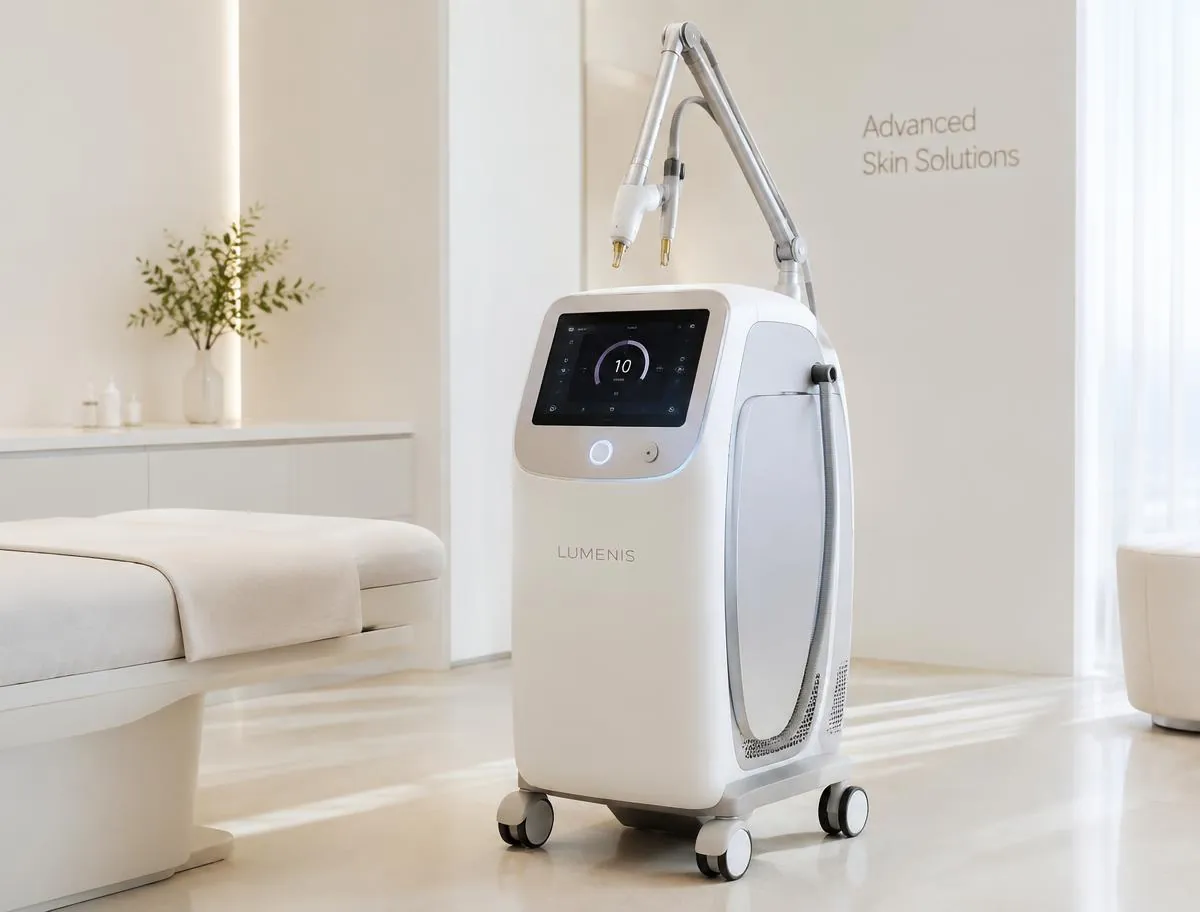
This information is intended to introduce the treatment and does not replace a doctor's diagnosis and decision. The name of the lifting method and the specifications of the Helios and R2PL devices are explained during the consultation before the procedure. Appointments for combined services, lifting, and surgery are initially for assessment; the final procedure is performed after the method has been determined and informed consent obtained.
Filler injections
Adding volume and balancing soft tissue with careful assessment of the area and vascular risks.
Filler injections
+
Filler injections
- Treatment method and purpose
- Fillers are used to replace lost volume, correct some depressions, and shape soft tissue. The material type, authenticity, suitable location, and volume are selected after assessing anatomy and patient expectations; listing fillers does not imply use of a particular undisclosed brand.
- Suitable candidates and limitations
- Selected cases of volume loss or disproportion; active infection, previously injected materials, and underlying conditions must be assessed.
- Sessions, time to results, and longevity
- Initial results are visible after injection, but final assessment is made after swelling subsides. Longevity is often several months to over a year and depends on the material, location, and individual; permanence is not guaranteed.
- Possible complications and safety considerations
- A history of previous injections is essential to prevent interactions between materials and identify complications. Swelling, bruising, asymmetry, lumps, infection, and delayed reactions may occur. Vascular occlusion can lead to skin necrosis, impaired vision or blindness, and, rarely, stroke. Whether a filler can be dissolved depends on its material; not all fillers are dissolvable.
- Preparation before your visit
- At the examination, disclose your medical history, allergies, pregnancy or breastfeeding, cold sores, medications, and recent procedures. Prescription medications, especially blood thinners, must not be stopped without medical advice. Active infection or inflammation in the area must be assessed before the procedure.
- Post-treatment care and follow-up
- Do not press or massage the area unless instructed by your doctor; ask your doctor when you can apply makeup, exercise, and be exposed to heat. Severe or increasing pain, unusual skin discoloration, or problems with vision, swallowing, or breathing require immediate assessment.
Lip filler injections
+
Lip filler injections
- Treatment method and purpose
- Performed for limited correction of lip volume, border, and symmetry. The appropriate plan is determined by the proportions of the lips, teeth, and other facial features; excessive volume can disrupt natural lip movement and proportions.
- Suitable candidates and limitations
- Lip volume deficiency or asymmetry; a history of cold sores must be disclosed before the procedure.
- Sessions, time to results, and longevity
- Initial swelling may last several days; final assessment is usually after about two weeks, and longevity depends on the material and individual.
- Possible complications and safety considerations
- Noticeable swelling, cold sores, lumps, and migration of material may occur. Swelling, bruising, asymmetry, lumps, infection, and delayed reactions may occur. Vascular occlusion can lead to skin necrosis, impaired vision or blindness, and, rarely, stroke. Whether a filler can be dissolved depends on its material; not all fillers are dissolvable.
- Preparation before your visit
- At the examination, disclose your medical history, allergies, pregnancy or breastfeeding, cold sores, medications, and recent procedures. Prescription medications, especially blood thinners, must not be stopped without medical advice. Active infection or inflammation in the area must be assessed before the procedure.
- Post-treatment care and follow-up
- Do not press or massage the area unless instructed by your doctor; ask your doctor when you can apply makeup, exercise, and be exposed to heat. Severe or increasing pain, unusual skin discoloration, or problems with vision, swallowing, or breathing require immediate assessment.
Temple filler
+
Temple filler
- Treatment method and purpose
- Restoring temple hollowing can improve continuity between the lateral forehead and face. This area has complex vessels and tissue layers, and selecting injection depth and technique requires careful medical assessment.
- Suitable candidates and limitations
- Confirmed temple volume loss; the cause of hollowing and tissue condition must be assessed.
- Sessions, time to results, and longevity
- Initial results are visible after injection, but final assessment is made after swelling subsides. Longevity is often several months to over a year and depends on the material, location, and individual; permanence is not guaranteed.
- Possible complications and safety considerations
- The temple is a high-risk vascular area; vision damage or vascular occlusion cannot be completely eliminated even with risk-reduction techniques. Swelling, bruising, asymmetry, lumps, infection, and delayed reactions may occur. Vascular occlusion can lead to skin necrosis, impaired vision or blindness, and, rarely, stroke. Whether a filler can be dissolved depends on its material; not all fillers are dissolvable.
- Preparation before your visit
- At the examination, disclose your medical history, allergies, pregnancy or breastfeeding, cold sores, medications, and recent procedures. Prescription medications, especially blood thinners, must not be stopped without medical advice. Active infection or inflammation in the area must be assessed before the procedure.
- Post-treatment care and follow-up
- Do not press or massage the area unless instructed by your doctor; ask your doctor when you can apply makeup, exercise, and be exposed to heat. Severe or increasing pain, unusual skin discoloration, or problems with vision, swallowing, or breathing require immediate assessment.
Under-eye filler
+
Under-eye filler
- Treatment method and purpose
- Limited filling of the tear trough in selected individuals can reduce shadows caused by hollowing. This method does not treat all dark circles, puffiness, fat bags, or under-eye skin laxity.
- Suitable candidates and limitations
- True hollowing without significant puffiness or impaired lymphatic drainage; many people are not suitable candidates for injections in this area.
- Sessions, time to results, and longevity
- Initial results are visible after injection, but final assessment is made after swelling subsides. Longevity is often several months to over a year and depends on the material, location, and individual; permanence is not guaranteed.
- Possible complications and safety considerations
- Persistent swelling, a superficial blue tint, lumps, and asymmetry; proximity to the eye makes the risk of vision damage particularly important. Swelling, bruising, asymmetry, lumps, infection, and delayed reactions may occur. Vascular occlusion can lead to skin necrosis, impaired vision or blindness, and, rarely, stroke. Whether a filler can be dissolved depends on its material; not all fillers are dissolvable.
- Preparation before your visit
- At the examination, disclose your medical history, allergies, pregnancy or breastfeeding, cold sores, medications, and recent procedures. Prescription medications, especially blood thinners, must not be stopped without medical advice. Active infection or inflammation in the area must be assessed before the procedure.
- Post-treatment care and follow-up
- Do not press or massage the area unless instructed by your doctor; ask your doctor when you can apply makeup, exercise, and be exposed to heat. Severe or increasing pain, unusual skin discoloration, or problems with vision, swallowing, or breathing require immediate assessment.
Cheek filler
+
Cheek filler
- Treatment method and purpose
- Targeted cheek volumization is performed to replace volume loss or correct midface proportions. The injection site must suit bone structure and facial movement; results are not a substitute for a surgical lift.
- Suitable candidates and limitations
- Cheek volume deficiency or limited disproportion; the appropriate volume is determined during examination.
- Sessions, time to results, and longevity
- Initial results are visible after injection, but final assessment is made after swelling subsides. Longevity is often several months to over a year and depends on the material, location, and individual; permanence is not guaranteed.
- Possible complications and safety considerations
- Overfilling, disproportionate prominence, swelling, and vascular complications may occur. Swelling, bruising, asymmetry, lumps, infection, and delayed reactions may occur. Vascular occlusion can lead to skin necrosis, impaired vision or blindness, and, rarely, stroke. Whether a filler can be dissolved depends on its material; not all fillers are dissolvable.
- Preparation before your visit
- At the examination, disclose your medical history, allergies, pregnancy or breastfeeding, cold sores, medications, and recent procedures. Prescription medications, especially blood thinners, must not be stopped without medical advice. Active infection or inflammation in the area must be assessed before the procedure.
- Post-treatment care and follow-up
- Do not press or massage the area unless instructed by your doctor; ask your doctor when you can apply makeup, exercise, and be exposed to heat. Severe or increasing pain, unusual skin discoloration, or problems with vision, swallowing, or breathing require immediate assessment.
Jaw angle filler
+
Jaw angle filler
- Treatment method and purpose
- A limited increase in volume along the jawline or jaw angle can better define the lower facial border. Skin sagging, fat under the chin, and muscular jaw width must be distinguished from insufficient bony definition.
- Suitable candidates and limitations
- Poor jawline definition or selected asymmetry; severe laxity may not improve with fillers.
- Sessions, time to results, and longevity
- Initial results are visible after injection, but final assessment is made after swelling subsides. Longevity is often several months to over a year and depends on the material, location, and individual; permanence is not guaranteed.
- Possible complications and safety considerations
- Unwanted widening of the face, unevenness, lumps, and vascular injury are possible. Swelling, bruising, asymmetry, lumps, infection, and delayed reactions may occur. Vascular occlusion can lead to skin necrosis, impaired vision or blindness, and, rarely, stroke. Whether a filler can be dissolved depends on its material; not all fillers are dissolvable.
- Preparation before your visit
- At the examination, disclose your medical history, allergies, pregnancy or breastfeeding, cold sores, medications, and recent procedures. Prescription medications, especially blood thinners, must not be stopped without medical advice. Active infection or inflammation in the area must be assessed before the procedure.
- Post-treatment care and follow-up
- Do not press or massage the area unless instructed by your doctor; ask your doctor when you can apply makeup, exercise, and be exposed to heat. Severe or increasing pain, unusual skin discoloration, or problems with vision, swallowing, or breathing require immediate assessment.
Chin filler
+
Chin filler
- Treatment method and purpose
- Used for limited correction of chin projection, length, or symmetry by adding soft-tissue volume. Significant jaw abnormalities or problems with dental alignment require separate assessment.
- Suitable candidates and limitations
- An under-volumized chin or limited disproportion; this method does not treat bone structure or bite problems.
- Sessions, time to results, and longevity
- Initial results are visible after injection, but final assessment is made after swelling subsides. Longevity is often several months to over a year and depends on the material, location, and individual; permanence is not guaranteed.
- Possible complications and safety considerations
- Asymmetry, lumps, tissue pressure, and vascular occlusion may occur. Swelling, bruising, asymmetry, lumps, infection, and delayed reactions may occur. Vascular occlusion can lead to skin necrosis, impaired vision or blindness, and, rarely, stroke. Whether a filler can be dissolved depends on its material; not all fillers are dissolvable.
- Preparation before your visit
- At the examination, disclose your medical history, allergies, pregnancy or breastfeeding, cold sores, medications, and recent procedures. Prescription medications, especially blood thinners, must not be stopped without medical advice. Active infection or inflammation in the area must be assessed before the procedure.
- Post-treatment care and follow-up
- Do not press or massage the area unless instructed by your doctor; ask your doctor when you can apply makeup, exercise, and be exposed to heat. Severe or increasing pain, unusual skin discoloration, or problems with vision, swallowing, or breathing require immediate assessment.