
Dr. Shiva Kasebi
Clinic Services
Choosing a treatment begins with an examination; the method, number of sessions, and likely outcome depend on each person's skin condition and needs.
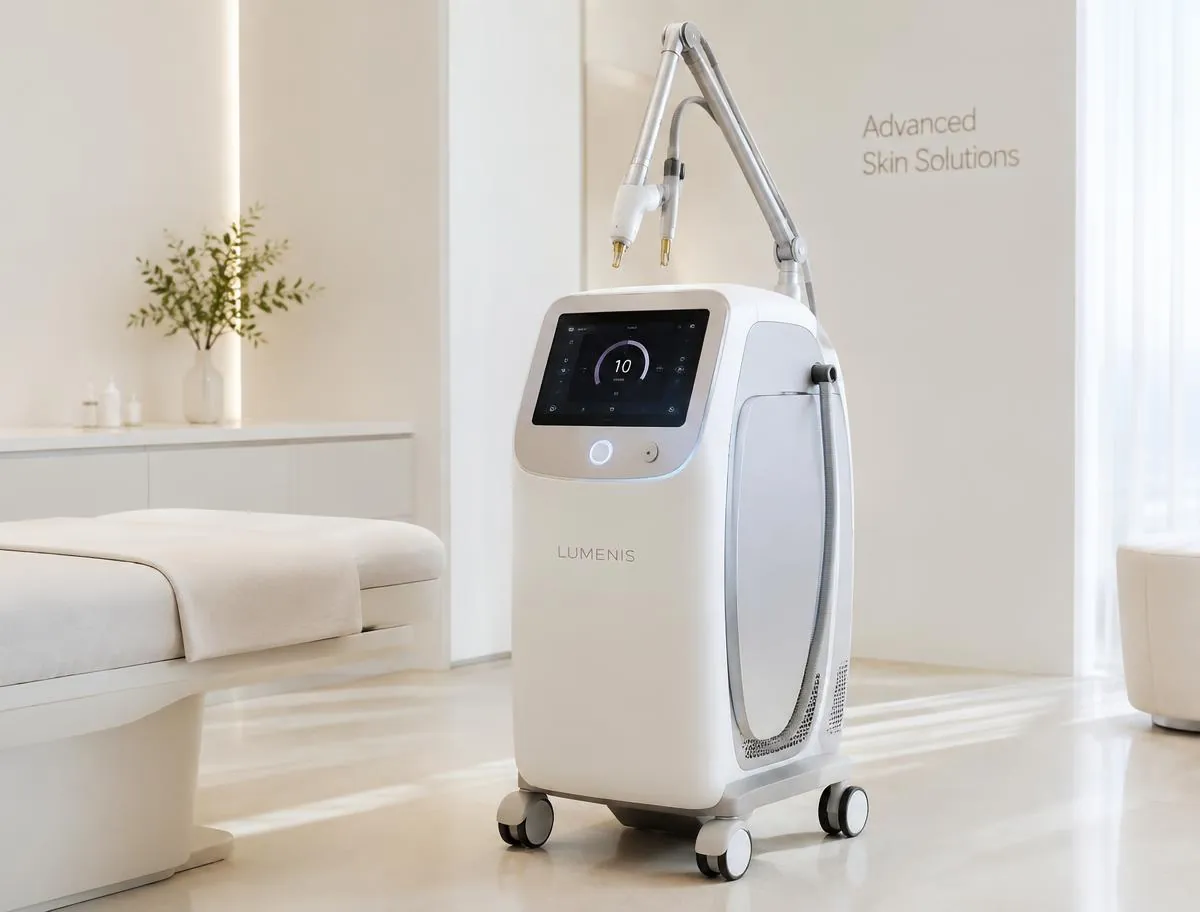
This information is intended to introduce the treatment and does not replace a doctor's diagnosis and decision. The name of the lifting method and the specifications of the Helios and R2PL devices are explained during the consultation before the procedure. Appointments for combined services, lifting, and surgery are initially for assessment; the final procedure is performed after the method has been determined and informed consent obtained.
Mesotherapy injections
Selecting the product and application based on evidence, the cause of the problem, and individual circumstances.
Mesotherapy
+
Mesotherapy
- Treatment method and purpose
- Mesotherapy involves injecting small amounts of a selected product into the skin. The product's composition, authorization, and purpose matter; evidence is not the same for every formulation and application, and the term mesotherapy alone does not guarantee a specific effect.
- Suitable candidates and limitations
- Selected skin-quality concerns after assessment; allergies to ingredients, infection, and pregnancy must be assessed.
- Sessions, time to results, and longevity
- Often a course of several sessions with response assessment; spacing and number depend on the product and goal, and the effect may be limited or temporary.
- Possible complications and safety considerations
- Pain, bruising, temporary bumps, allergic reactions, infection, granulomas, and scarring may occur.
- Preparation before your visit
- At the examination, disclose your medical history, allergies, pregnancy or breastfeeding, cold sores, medications, and recent procedures. Prescription medications, especially blood thinners, must not be stopped without medical advice. Active infection or inflammation in the area must be assessed before the procedure.
- Post-treatment care and follow-up
- Do not press or massage the area unless instructed by your doctor; ask your doctor when you can apply makeup, exercise, and be exposed to heat. Severe or increasing pain, unusual skin discoloration, or problems with vision, swallowing, or breathing require immediate assessment.
Hair mesotherapy
+
Hair mesotherapy
- Treatment method and purpose
- Injection of a selected product into the scalp may be considered as an adjunct in some hair-loss treatment plans. The cause of hair loss, such as hereditary pattern loss, inflammation, deficiencies, or other disorders, is assessed first; evidence of effectiveness depends on the formulation and type of hair loss.
- Suitable candidates and limitations
- Some types of hair loss after diagnosis; scarring, sudden, or inflammatory hair loss should not be managed solely through cosmetic procedures.
- Sessions, time to results, and longevity
- If this method is selected, a course of several sessions and assessment using standardized photographs are undertaken; hair growth takes time, and results are not guaranteed.
- Possible complications and safety considerations
- Pain, allergic reactions, infection, inflammation, and, rarely, localized hair loss or scarring; this method is not a substitute for treatment of the underlying cause.
- Preparation before your visit
- At the examination, disclose your medical history, allergies, pregnancy or breastfeeding, cold sores, medications, and recent procedures. Prescription medications, especially blood thinners, must not be stopped without medical advice. Active infection or inflammation in the area must be assessed before the procedure.
- Post-treatment care and follow-up
- Ask your doctor when to wash your hair and use scalp products; report itching, severe pain, discharge, or new hair loss.
Under-eye mesotherapy
+
Under-eye mesotherapy
- Treatment method and purpose
- Superficial injection of a selected product may be proposed for some under-eye skin-quality concerns. The cause of dark circles must be distinguished among hollowing, pigmentation, blood vessels, puffiness, and allergy; evidence across products is limited and variable.
- Suitable candidates and limitations
- Selected cases after examination; puffiness, deep hollowing, or eyelid disease may require another method.
- Sessions, time to results, and longevity
- Usually a course of several sessions if appropriate; the degree and duration of improvement cannot be guaranteed.
- Possible complications and safety considerations
- Prolonged swelling, bruising, allergic reactions, lumps, infection, and injury to delicate structures around the eyes may occur.
- Preparation before your visit
- At the examination, disclose your medical history, allergies, pregnancy or breastfeeding, cold sores, medications, and recent procedures. Prescription medications, especially blood thinners, must not be stopped without medical advice. Active infection or inflammation in the area must be assessed before the procedure.
- Post-treatment care and follow-up
- Do not press or massage the area unless instructed by your doctor; ask your doctor when you can apply makeup, exercise, and be exposed to heat. Severe or increasing pain, unusual skin discoloration, or problems with vision, swallowing, or breathing require immediate assessment.