
Dr. Shiva Kasebi
Clinic Services
Choosing a treatment begins with an examination; the method, number of sessions, and likely outcome depend on each person's skin condition and needs.
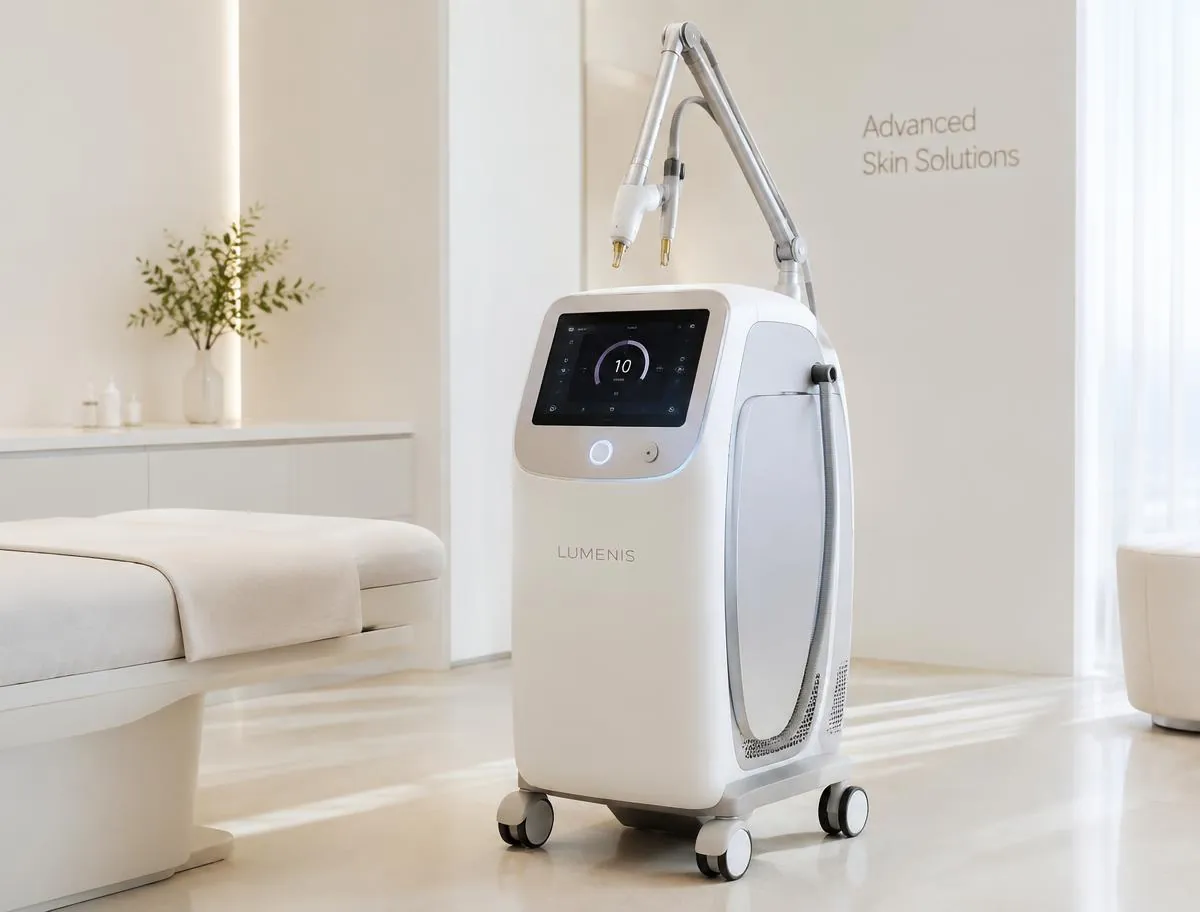
This information is intended to introduce the treatment and does not replace a doctor's diagnosis and decision. The name of the lifting method and the specifications of the Helios and R2PL devices are explained during the consultation before the procedure. Appointments for combined services, lifting, and surgery are initially for assessment; the final procedure is performed after the method has been determined and informed consent obtained.
Surgery
Assessment and removal of skin lesions, prioritizing correct diagnosis and follow-up of histopathology results.
Mole surgery
+
Mole surgery
- Treatment method and purpose
- The mole is first assessed as benign or suspicious. The removal method and need to send a specimen for histopathology are determined by the lesion's shape and depth; surgery enables tissue examination in appropriate cases.
- Suitable candidates and limitations
- A bothersome or changing mole, or one requiring diagnostic assessment; method selection must prioritize diagnostic safety over cosmetic results.
- Sessions, time to results, and longevity
- Often a single procedure under local anesthesia with wound follow-up; the need for stitches, their removal timing, and additional procedures depend on the location and histopathology results.
- Possible complications and safety considerations
- Bleeding, infection, scarring, discoloration, wound opening, and incomplete removal or recurrence may occur.
- Preparation before your visit
- At the examination, disclose your medical history, allergies, pregnancy or breastfeeding, cold sores, medications, and recent procedures. Prescription medications, especially blood thinners, must not be stopped without medical advice. Active infection or inflammation in the area must be assessed before the procedure.
- Post-treatment care and follow-up
- Follow wound-care and dressing instructions; return for histopathology results and a wound check. Report spreading redness, pus discharge, or fever.
Cyst surgery
+
Cyst surgery
- Treatment method and purpose
- A skin cyst is usually a cavity with a wall. In suitable cases, removing the wall together with its contents can reduce recurrence; a lump that appears to be a cyst must first be distinguished from other lesions.
- Suitable candidates and limitations
- A painful, growing, recurrent, or bothersome cyst; an inflamed or infected cyst may first need inflammation control or drainage, followed by removal.
- Sessions, time to results, and longevity
- Often one local procedure with follow-up; the doctor determines surgery timing and whether the specimen needs examination.
- Possible complications and safety considerations
- Recurrence if the wall remains, infection, bleeding, scarring, and injury to nearby structures may occur.
- Preparation before your visit
- At the examination, disclose your medical history, allergies, pregnancy or breastfeeding, cold sores, medications, and recent procedures. Prescription medications, especially blood thinners, must not be stopped without medical advice. Active infection or inflammation in the area must be assessed before the procedure.
- Post-treatment care and follow-up
- Care for the wound as instructed and do not squeeze the lump; increasing swelling, fever, or discharge requires assessment.
Skin tumor surgery
+
Skin tumor surgery
- Treatment method and purpose
- A skin tumor may be benign or malignant; the name alone does not mean a cancer diagnosis. Examination and sometimes biopsy establish the lesion type; removal and required margins are determined by the diagnosis and location.
- Suitable candidates and limitations
- A lump or lesion requiring investigation; a non-healing sore, rapid growth, bleeding, or color change must be assessed without delay.
- Sessions, time to results, and longevity
- Separate biopsy, surgery, and follow-up may be needed. Some lesions require specialist referral, and not all tumors can be treated at the clinic.
- Possible complications and safety considerations
- Bleeding, infection, scarring, incomplete removal, and the need for further surgery; following up histopathology results is essential for safety.
- Preparation before your visit
- At the examination, disclose your medical history, allergies, pregnancy or breastfeeding, cold sores, medications, and recent procedures. Prescription medications, especially blood thinners, must not be stopped without medical advice. Active infection or inflammation in the area must be assessed before the procedure.
- Post-treatment care and follow-up
- Be sure to obtain your histopathology results and follow-up plan; follow wound-care and subsequent visit instructions.